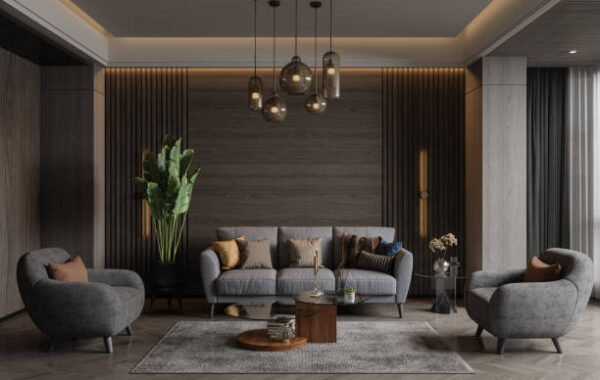

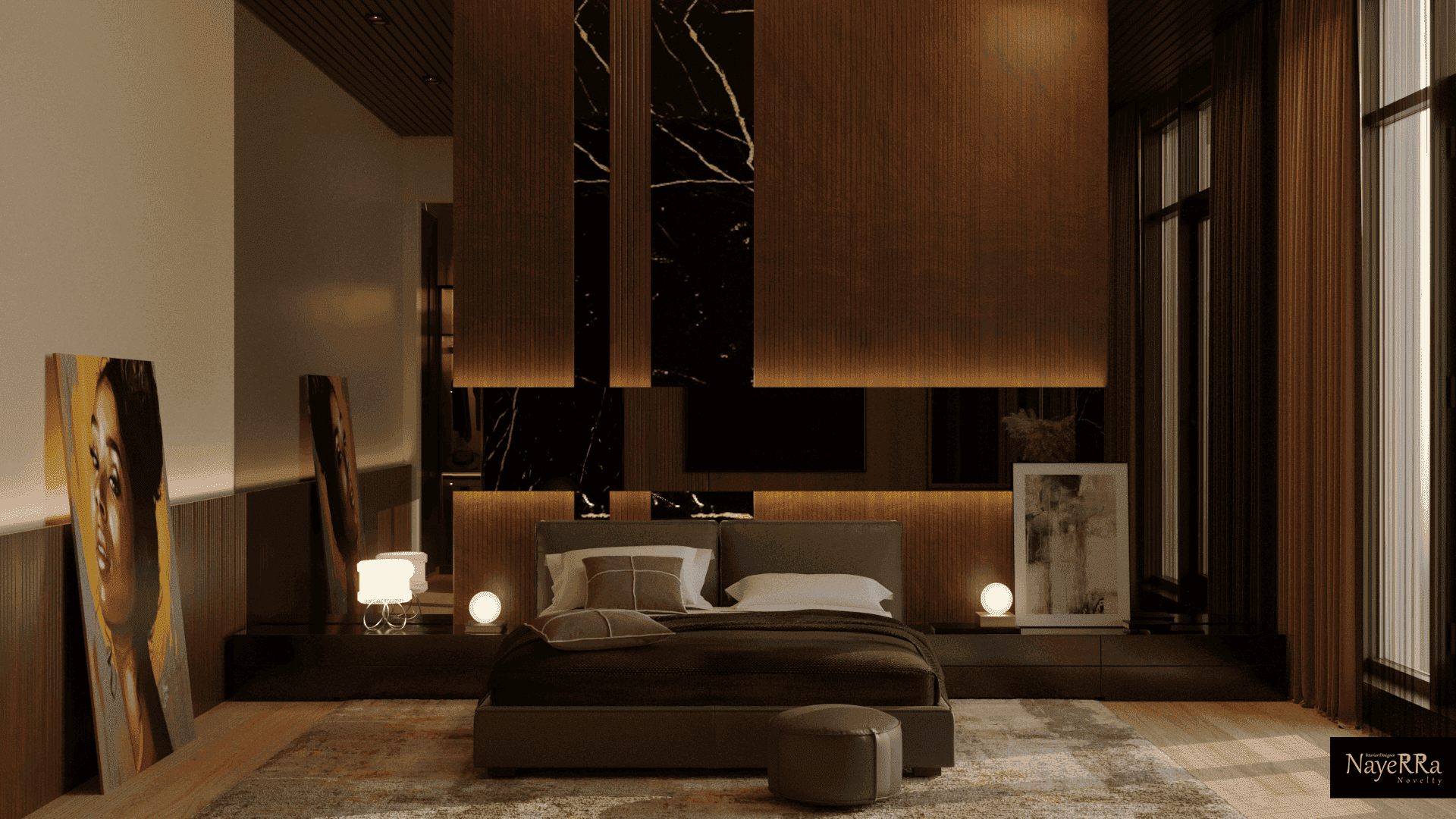

What is Interior Design?
Interior Design is a multifaceted profession that combines creativity, technical knowledge, and problem-solving to enhance the quality of interior spaces. It’s not just about making a room look good; it’s about crafting spaces that are functional, safe, and tailored to the needs and preferences of those who use them.
Whether it’s a cozy home, a vibrant office, or a luxury hotel, interior design ensures every space serves its purpose while exuding style and comfort.
The Core Principles of Interior Design
1. Balance
A balanced design ensures visual harmony by evenly distributing visual weight. It can be symmetrical, asymmetrical, or radial, depending on the design style.
2. Proportion and Scale
The relationship between furniture, decor, and the space itself is crucial. Ensuring that elements are proportionate prevents spaces from feeling overcrowded or sparse.
3. Rhythm
Repetition of design elements, such as patterns, colors, or shapes, creates a sense of movement and guides the eye through the space.
4. Harmony
A unified color scheme and consistent design theme tie all elements of a space together, creating a cohesive look.
5. Contrast
Adding contrast through colors, textures, or materials introduces visual interest and prevents monotony.
The Benefits of Interior Design
1. Increases Property Value
A professionally designed interior can significantly boost a property’s market value. Buyers often prioritize homes that are move-in ready and aesthetically pleasing.
2. Enhances Productivity
For commercial spaces, such as offices, thoughtful design can improve employee efficiency, morale, and creativity.
3. Promotes Sustainability
Eco-conscious interior design choices, like using recycled materials or energy-efficient lighting, contribute to environmental conservation.
4. Reflects Personal Identity
Your home or workspace should be a reflection of who you are. Interior design helps communicate your personality, values, and lifestyle.
Essential Elements of Interior Design
1-Layout and Space Planning
Effective layout planning is the foundation of any successful design. It involves:
- Defining Zones: Assigning specific purposes to different areas.
- Furniture Placement: Ensuring optimal flow and usability.
- Storage Solutions: Maximizing storage without compromising aesthetics.
2-Materials and Textures
The choice of materials and textures influences a room’s feel and durability. Combining materials like wood, metal, fabric, and stone adds layers of visual and tactile interest.
- Example: A marble countertop paired with wooden cabinets creates a modern yet warm kitchen aesthetic.
3-Lighting Design
Lighting transforms a space, highlighting features and setting the mood. Interior designers work with three types of lighting:
- Ambient: General illumination.
- Task: Focused lighting for specific activities.
- Accent: Decorative lighting to highlight artwork or architectural details.
4-Color Psychology
Colors evoke emotions and influence the ambiance of a room:
- Blue: Calming, ideal for bedrooms.
- Yellow: Energizing, great for kitchens.
- Green: Refreshing, perfect for living spaces.
Popular Interior Design Styles
1. Modern
Characterized by clean lines, neutral palettes, and minimalist decor, modern design emphasizes simplicity and functionality.
2. Scandinavian
This style combines minimalism with coziness, featuring light woods, neutral colors, and layered textiles for a warm yet uncluttered look.
3. Industrial
Exposed bricks, metal accents, and raw materials define this edgy style often used in loft apartments and modern offices.
4. Traditional
Classic furniture, rich colors, and ornate details bring timeless elegance to traditional interiors.
Interior Design Trends for 2024
- Sustainable and Eco-Friendly Design: Recycled materials and green solutions dominate.
- Smart Homes: Technology integration, like automated lighting and smart furniture, is on the rise.
- Maximalism: Bold patterns, vibrant colors, and eclectic decor are making a comeback.
- Home Office Revolution: Designs now prioritize functional yet inspiring home office setups.
The Role of Interior Designers
Interior designers are skilled professionals who guide clients through every step of the design process. Their responsibilities include:
- Conducting site evaluations.
- Developing design concepts.
- Preparing 3D visualizations and mood boards.
- Selecting materials, furniture, and finishes.
- Managing budgets and timelines.
How to Become an Interior Designer
- Education: Pursue a degree in interior design or a related field.
- Experience: Gain practical experience through internships or apprenticeships.
- Certifications: Obtain credentials like the NCIDQ certification for credibility.
- Portfolio: Build a strong portfolio showcasing your best work.
Common Challenges in Interior Design and How to Overcome Them
1-Bdget Constraints
One of the biggest hurdles in interior design is staying within budget while achieving desired results.
Solution:
- Prioritize essential elements like furniture and lighting.
- Opt for cost-effective alternatives such as high-quality replicas or DIY decor projects.
- Reuse and repurpose existing items to save money.
2-Limited Space
Designing small spaces can be tricky, but with the right approach, even the tiniest rooms can feel spacious.
Solution:
- Use multi-functional furniture, like beds with storage or extendable tables.
- Employ light colors and mirrors to create the illusion of space.
- Maximize vertical space with shelves and hanging storage.
3-Mismatched Styles
Mixing styles can lead to a chaotic look if not done carefully.
Solution:
- Choose a dominant style and incorporate elements from other styles sparingly.
- Stick to a consistent color palette to unify the design.
4-Poor Lighting
Insufficient lighting can make even the best designs look dull.
Solution:
- Layer different types of lighting for versatility.
- Use LED lights to enhance energy efficiency and brightness.
- Place lighting strategically to highlight key areas and decor pieces.
The Future of Interior Design
1. Artificial Intelligence (AI) in Design
AI tools like virtual design software and AI-based mood boards are revolutionizing the industry. They help designers visualize concepts, test layouts, and make data-driven decisions.
2. Sustainability and Biophilic Design
The demand for sustainable and nature-inspired designs is growing. From energy-efficient appliances to incorporating indoor plants, eco-friendly practices are becoming mainstream.
3. Personalized Design
With advancements in technology, interior design is increasingly tailored to individual preferences. From custom furniture to mood-responsive lighting, personalization is the future.
Why Invest in Interior Design?
Interior design is not just a luxury; it’s an investment in your lifestyle. A well-designed space can:
- Increase your property’s resale value.
- Create a comfortable and functional living environment.
- Enhance your quality of life by catering to your specific needs.
Practical Tips for DIY Interior Design
If you’re embarking on a DIY interior design journey, these tips will help you get started and stay on track:
1-Start with a Mood Board
Collect inspiration from magazines, Pinterest, or Instagram. A mood board helps you visualize your ideas and maintain a cohesive style.
2-Focus on a Focal Point
Each room should have a focal point that draws attention. It could be a fireplace, a piece of artwork, or an accent wall.
3-Use Layers in Design
Layering adds depth and dimension to a room. Combine different textures, patterns, and materials for a dynamic look.
4-Don’t Overcrowd the Space
Clutter can make a room feel cramped and chaotic. Choose fewer, high-quality pieces instead of overloading the space with decor.
5-Leverage Lighting and Mirrors
Use mirrors to reflect light and create an illusion of space.
Place lamps and lights at different heights for a layered lighting effect.
6-Incorporate Greenery
Indoor plants are a simple way to add life and vibrancy to any room. They also improve air quality and create a calming ambiance.
Professional Interior Design Services
For larger projects or complex spaces, hiring a professional interior designer can save time and ensure a polished result. Here’s what to expect:
1-The Design Process
- Consultation: Discuss your needs, preferences, and budget.
- Concept Development: The designer will create sketches, layouts, and mood boards.
- Execution: The designer oversees the implementation of the design plan, coordinating with contractors and suppliers.
2-Benefits of Hiring a Professional
- Access to exclusive furniture and decor sources.
- Expert advice on materials and finishes.
- Time management and project efficiency.
3-How to Choose the Right Designer
- Check their portfolio for a style that aligns with yours.
- Read reviews and testimonials from previous clients.
- Ensure they’re certified and experienced in your type of project.
Interior Design for Different Spaces
1-Residential Spaces
- Living Rooms: Focus on comfort and functionality. Use seating arrangements that encourage conversation.
- Bedrooms: Prioritize coziness with soft lighting, plush fabrics, and calming colors.
- Kitchens: Use efficient layouts like the work triangle for better functionality.
2-Commercial Spaces
- Offices: Encourage productivity with ergonomic furniture and ample lighting.
- Restaurants: Use lighting and decor to create an inviting ambiance.
- Retail Stores: Design layouts that guide customers naturally through the space.
3-Public Spaces
- Libraries, airports, and hospitals benefit from thoughtful designs that balance aesthetics with utility and comfort.
Conclusion
Interior design is an ever-evolving field that combines creativity, functionality, and technical expertise. Whether you’re working on a small DIY project or planning a complete overhaul, understanding the fundamentals of design will help you create a space that feels both personal and practical.