

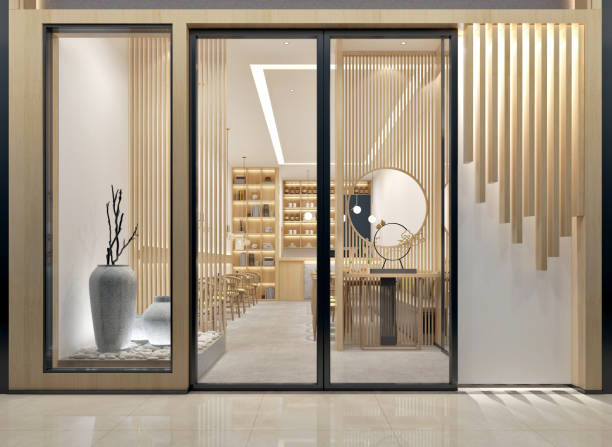

What is Product Design?
Product design is the process of envisioning, creating, and refining products that solve real-world problems while meeting user needs. It encompasses everything from functionality and usability to aesthetics and branding.
The goal is to create products that are not only visually appealing but also practical and user-friendly, ensuring they resonate with the target audience.
The Importance of Product Design
1-Drives User Satisfaction
Good product design ensures that users can achieve their goals effortlessly, leading to satisfaction and loyalty.
2-Boosts Market Competitiveness
A well-designed product stands out in a crowded market, giving companies a competitive edge.
3-Enhances Brand Perception
High-quality design reflects positively on a brand, building trust and credibility among consumers.
Key Principles of Product Design
1-User-Centered Approach
Always design with the end user in mind. Understanding user behavior, preferences, and challenges is critical.
2-Simplicity and Functionality
A good design is intuitive and straightforward. Avoid unnecessary complexity that could confuse users.
3-Sustainability
Incorporating eco-friendly materials and processes is becoming a vital aspect of modern product design.
4-Aesthetic Appeal
While functionality is key, a visually attractive design enhances the overall user experience.
The Product Design Process
1-Research and Ideation
Understanding market trends, user needs, and competitor offerings is the foundation of great design.
- Conduct surveys and interviews.
- Analyze existing solutions for gaps and opportunities.
2-Concept Development
Create multiple design concepts to explore different possibilities. Use sketches, prototypes, or digital tools for visualization.
3-Prototyping and Testing
Develop functional prototypes to test with real users. Gather feedback to refine the design.
4-Iteration
The design process is often cyclical. Iterating based on user feedback ensures the final product meets expectations.
5-Production and Launch
After finalizing the design, move to production. Ensure quality control throughout to maintain the integrity of the design.
Tools Used in Product Design
1-Digital Design Tools
- Sketch: Ideal for UI/UX design.
- Figma: A collaborative design tool for teams.
- Adobe XD: Combines design and prototyping in one platform.
2-Prototyping Tools
- InVision: For creating clickable prototypes.
- Marvel: A beginner-friendly prototyping tool.
3-3D Modeling Software
- SolidWorks: Popular for industrial product design.
- Fusion 360: Offers integrated CAD, CAM, and CAE capabilities.
Trends in Product Design for 2025
Inclusive Design
Designing products accessible to people of all abilities is gaining traction.
Minimalism
Simple, clean designs with a focus on essential functions are dominating.
AI Integration
AI-powered products that adapt to user behavior are becoming mainstream.
Eco-Friendly Materials
The use of sustainable materials is transforming how products are designed and manufactured.
Careers in Product Design
Skills Required
- Creativity and problem-solving.
- Proficiency in design software.
- Strong understanding of user psychology.
Job Roles
- Product Designer
- Industrial Designer
- UX/UI Designer
- Design Strategist
Building a Portfolio
- A strong portfolio showcasing diverse projects is essential for breaking into the field.
Why Product Design Matters
From smartphones to household items, every product you use daily has been meticulously designed to meet your needs. Thoughtful product design not only enhances functionality but also shapes how we interact with the world around us.
Challenges in Product Design and How to Overcome Them
1-Balancing Innovation with Functionality
One of the biggest challenges in product design is creating something innovative while ensuring it remains practical and user-friendly.
Solution:
- Conduct thorough user research to understand real-world needs.
- Test prototypes with diverse user groups to gather actionable feedback.
2-Time and Budget Constraints
Design projects often face tight deadlines and limited budgets, which can hinder creativity and quality.
Solution:
- Use agile methodologies to streamline the design process.
- Leverage cost-effective tools and materials without compromising on quality.
3-Keeping Up with Trends
Design trends change rapidly, making it difficult to create products that remain relevant.
Solution:
- Stay updated by following industry leaders and attending design expos.
- Focus on timeless design principles that go beyond temporary trends.
Real-World Examples of Great Product Design
1-Apple’s iPhone
Apple’s iPhone is a prime example of balancing aesthetics, functionality, and innovation. Its intuitive interface and sleek design revolutionized the smartphone industry.
2-Dyson’s Vacuum Cleaners
Dyson is renowned for combining cutting-edge technology with user-centric designs, offering powerful and easy-to-use products.
3- Tesla’s Model 3
Tesla’s Model 3 is a testament to how minimalist design and advanced technology can coexist, redefining the automotive industry.
Learning from These Successes
- Prioritize user needs above all else.
- Don’t shy away from experimenting with unconventional ideas.
- Invest in quality and attention to detail.
Future of Product Design
The Role of AI and Machine Learning
AI is revolutionizing product design by enabling predictive analytics and smarter prototyping. Designers can now create highly personalized products tailored to user behaviors and preferences.
Augmented Reality (AR) in Prototyping
AR allows designers to visualize products in real-world environments before production, reducing errors and enhancing user experience.
Focus on Sustainability
The future of product design will see a stronger emphasis on eco-friendly practices, from using recyclable materials to creating products with longer life cycles.
(FAQs) About Product Design
What is the main purpose of product design?
The main purpose of product design is to create products that solve specific problems, meet user needs, and provide a seamless and enjoyable user experience.
What skills do I need to become a product designer?
Key skills include creativity, problem-solving, knowledge of design tools like Sketch or Figma, understanding user psychology, and strong communication skills.
How does product design differ from industrial design?
While both fields involve creating products, industrial design focuses on the physical aspects, such as shape and materials, whereas product design encompasses functionality, user experience, and aesthetics.
How can I get started in product design?
Begin by learning design principles through online courses, building a portfolio, and gaining hands-on experience with design tools and projects.
Why is user feedback important in product design?
User feedback provides valuable insights into how a product performs in real-world scenarios, helping designers identify areas for improvement and ensure the product meets user expectations.
What tools are commonly used in product design?
Popular tools include:
- Sketch and Figma for UI/UX design.
- Adobe Creative Suite for graphic and visual design.
- SolidWorks and Fusion 360 for 3D modeling.
How long does the product design process take?
The duration varies based on the complexity of the product. Simple designs may take a few weeks, while intricate projects can span several months or more.
Can small businesses benefit from product design?
Absolutely! Effective product design can help small businesses stand out in the market, attract customers, and build a strong brand identity.
Product design is at the heart of innovation. It bridges creativity with functionality, delivering solutions that not only meet user needs but also shape the way we interact with the world. By mastering the principles, staying updated on trends, and continuously refining your skills, you can create products that leave a lasting impact.